
"coffee pests"
4000 article(s) found

Costa Rican coffee industry reduced due to climate
Due to the decline in coffee prices on the international market, Costa Rican coffee exports totaled US $306 million in 2015, down 26% from US $412 million in 2012, Costa Rica reported on May 12. In the first quarter of 2016, the average world price of coffee was $1.14 per liter, down 26 per cent from the same period in 2014. Affected by climate change and diseases and insect pests at the same time, the coffee growing area of Colombia

Costa Rica urgently needs to stimulate the coffee industry
Due to the decline in coffee prices on the international market, Costa Rican coffee exports totaled US $306 million in 2015, down 26% from US $412 million in 2012, Costa Rica reported on May 12. In the first quarter of 2016, the average world price of coffee was $1.14 per liter, down 26 per cent from the same period in 2014. Affected by climate change and diseases and insect pests at the same time, the coffee growing area of Colombia
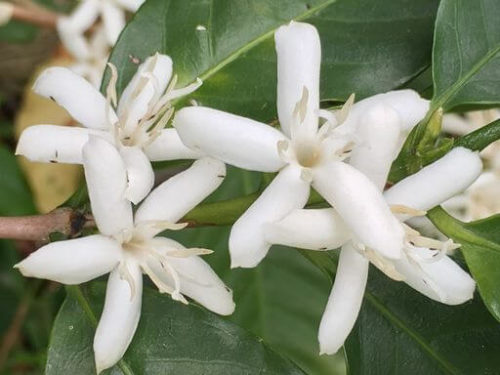
Advantages and disadvantages of organic coffee. Will organic coffee beans be better?
For more information on coffee beans, please follow the coffee workshop (Wechat official account cafe_style). People's views on organic coffee are very polarized. For those in favor of organic coffee, organic production is more helpful to the environment. For those who are against organic, it may be mentioned that organic planting is inefficient and the certification process is expensive, as well as chemical residues in the baking process.

Coffee Katim is not Yunnan Coffee Katim | characteristics of Yunnan small Coffee Katim
Professional coffee knowledge exchange more coffee bean information please follow the coffee workshop (Wechat official account cafe_style) Catimor (also known as Katim), its taste is easy to distinguish, bitter, sour taste is obvious, and with astringent taste. It has the advantages of strong resistance to leaf rust, large shed surface and high yield. Cartimo is one of the coffee discovered and cultivated by the Portuguese in 1959.
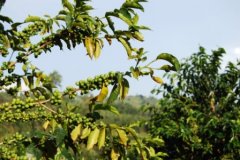
Costa Rica stimulates the main force of the coffee market
Due to the decline in coffee prices on the international market, Costa Rican coffee exports totaled US $306 million in 2015, down 26% from US $412 million in 2012, Costa Rica reported on May 12. In the first quarter of 2016, the average world price of coffee was $1.14 per liter, down 26 per cent from the same period in 2014. Affected by climate change and diseases and insect pests at the same time, the coffee growing area of Colombia

What are the health benefits of drinking organic coffee? what disadvantages of organic coffee need to be overcome?
People's views on organic coffee are very polarized. for those in favor of organic coffee, organic production is more helpful to the environment, while for those who are against organic, it may be mentioned that organic planting is inefficient and the certification process is expensive. and chemical residues can be burned during baking. Compared with non-organic coffee, organic coffee may be more labor-intensive and more expensive to produce.

Boutique coffee learns the basic concept of coffee-3
Coffee species Coffee trees can be divided into two main varieties: Arabica (Arabica) and Robusta (Robusta). There are also some minor species, such as the Liberian species (Liberica) and the Alabasta species (Arabusta), but they are rare on the market. Although Arabica and Roberta are widely cultivated, there are significant differences between them.

Boutique Coffee Costa Rica urgently needs to stimulate the coffee industry
Due to the decline in coffee prices on the international market, Costa Rican coffee exports totaled US $306 million in 2015, down 26% from US $412 million in 2012, Costa Rica reported on May 12. In the first quarter of 2016, the average world price of coffee was $1.14 per liter, down 26 per cent from the same period in 2014. Affected by climate change and diseases and insect pests at the same time, the coffee growing area of Colombia
Basic knowledge of coffee Common sense of the definition of fine coffee 2
With regard to the cultivation of crops, seed selection is a very important factor. Every year, agronomists are studying higher quality and higher yield varieties of wheat, soybeans, and corn, as well as how to make apples more delicious, beautiful and resistant to diseases and insect pests. In fact, the same is true of coffee. The quality and taste of coffee are determined by the quality of the varieties. Coffee trees are generally divided into three categories in the industry: Arabica species
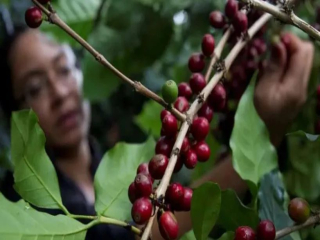
Coffee production in Honduras may suffer a double whammy
The Honduran Times reported on July 3: Napoleon Matute, manager of the Honduran Coffee Institute (IHCAFE), said that according to the data monitored by the country's 25 telemetry stations and the letter provided by the Office of the standing Emergency response Committee (COPECO)

Basic concepts of coffee what are the categories of coffee?
Coffee trees can be divided into two main varieties: Arabica (Arabica) and Robusta (Robusta). There are also some minor species, such as the Liberian species (Liberica) and the Alabasta species (Arabusta), but they are rare on the market. Although Arabica and Roberta are widely cultivated, there are significant differences between them. Beans are different.

The three best quality coffee beans in the world
At present, the best quality coffee beans in the world mainly come from Arabica, Robusta and Liberia, which are mainly proud of the coffee trees in the three places.

The coffee producing area of Tanzania
Due to political instability and rampant diseases and insect pests, the coffee industry in Tanzania has been damaged, leading to a decline in the overall level of coffee and instability in quality, which in turn lead to lower prices, which are usually the result of a further decline in the coffee industry. What's more, it is estimated that more than 12% of the Arabica coffee grown in northern Tanzania from 1969 to 1985 was smuggled.
Coffee knowledge types of boutique coffee trees
At present, the best quality coffee beans in the world mainly come from Arabica, Robusta and Liberia, which are mainly proud of the coffee trees in the three places.
Coffee from Tanzania
Due to political instability and rampant diseases and insect pests, the coffee industry in Tanzania has been damaged, leading to a decline in the overall level of coffee and instability in quality, which in turn lead to lower prices, which are usually the result of a further decline in the coffee industry. What's more, it is estimated that more than 12% of the Arabica coffee grown in northern Tanzania from 1969 to 1985 was smuggled.

Characteristics of Tanzanian coffee flavor of Tanzania coffee
Due to political instability and rampant diseases and insect pests, the coffee industry in Tanzania has been damaged, leading to a decline in the overall level of coffee and instability in quality, which in turn lead to lower prices, which are usually the result of a further decline in the coffee industry. What's more, it is estimated that more than 12% of the Arabica coffee grown in northern Tanzania from 1969 to 1985 has gone.

Characteristics of La Souna Mantenin Coffee
In less than a decade of promotion by the local Ministry of Agriculture, the coffee variety Rasuna Rasuna has shown good quality. The quality, yield and resistance to common pests and diseases of coffee beans have always been excellent. In all categories, Indonesia Rasuna coffee beans coffee cup test quality is excellent. Wet processing to reduce acidity, Rasuna coffee beans have Sumanda

What are the main varieties of coffee beans
The Robastian coffee tree, which originated in the Congo in Africa, accounts for about 20% to 30% of the world's production. Luoba Jinta coffee tree is suitable for planting in the lowlands below 500 meters above sea level, has a strong adaptability to the outside world, can resist bad weather, resist diseases and insect pests, and is in soil preparation. Weeding and pruning do not require much manual care, and can be allowed to grow in the wild, which is easy.

Global coffee producing area-Tanzania
Due to political instability and rampant diseases and insect pests, the coffee industry in Tanzania has been damaged, leading to a decline in the overall level of coffee and instability in quality, which in turn lead to lower prices, which are usually the result of a further decline in the coffee industry. What's more, it is estimated that more than 12% of the Arabica coffee grown in northern Tanzania from 1969 to 1985 was smuggled.

Differences in taste and flavor between coffee bean varieties Arabica, Robusta and Liberica
Professional coffee knowledge exchange more coffee bean information please follow the coffee workshop (Wechat official account cafe_style) front street coffee-coffee varieties and characteristics of Arabica varieties: from beans, Arabica varieties should be the first